


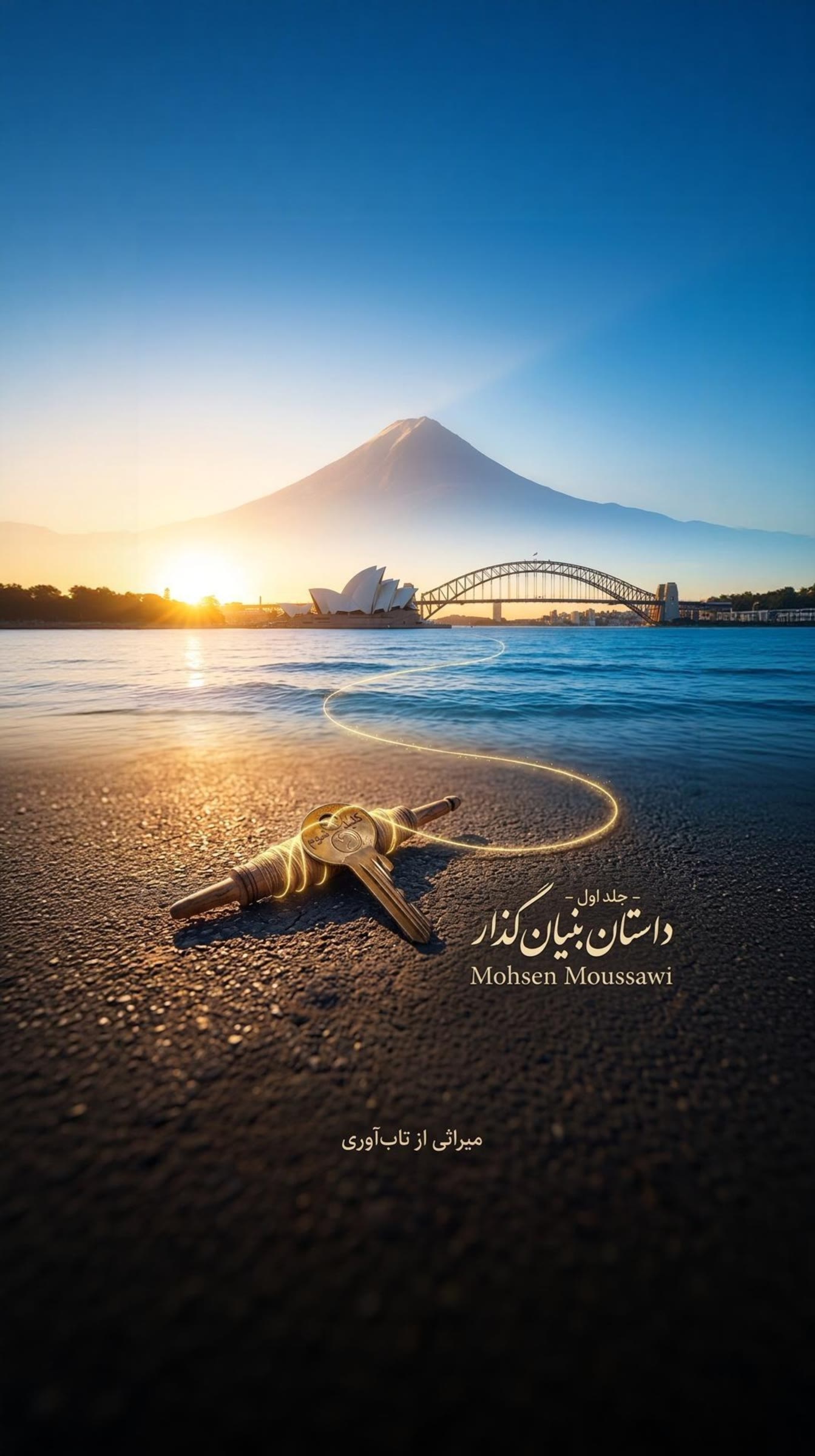
✦ A TRUE STORY
The Founder's Story — Volume One
A short, true account — in the artist's own words.

❦ The End
The story continues…
Every track on MIBL Radio carries a little more of this voice forward.
This book was written and published here — yours can be too.
Publish your own bookThreads Never Lie
When Bibi Fatemeh, in the twilight of Najaf's dawn, before the first muezzin’s call echoed from the shrine's golden dome, spun the spindles between her tired yet steadfast fingers, she was weaving the warp and weft of our destiny. The rhythmic motion of those traditional spindles was not merely a lone woman's means of survival amidst the political and religious storms of a Baathist-suffocated Iraq; that movement was the steady heartbeat of a family destined to be shattered, to die, and to be reborn time and again, until a new generation could emerge from the flames and bloom in the soil of exile.
Decades have passed. Today, in the year 2026, I, Mohsen, sit in a quiet house on the ocean shores of Sydney. I stare at the first joint of my right index finger, where the deep, rough, and white scar of a line is engraved upon my skin like an ancient border. This line is the relic of an ominous, heavy, and crudely shaped key; a key that I pulled from my pocket on a scorching afternoon in Golestan Town at the age of thirteen, and handed to my mother, Marzieh. A key that was supposed to unlock the door to our own home, but inadvertently unlocked an eternal tragedy.
I wrote this book not merely as a simple memoir or a physical crossing of geographies, but as a sacred memorial to keep the history of my family alive. For me, writing these pages means putting an end to years of psychological anguish, isolation, and the backbreaking burden of guilt that had chained every fiber of my being since my teenage years. I wrote this book to make peace with my wounded past and to tell the world that behind every cold immigration statistic and every news broadcast of wandering boats in the vastness of the ocean, stand real human beings with beating hearts, soul-scorching sorrows, and boundless hope.
This is the epic of my family; a tale stretching from our roots in Najaf to my birthplace in Isfahan, and from the limbo of waiting to the shores of salvation.
[[break]]
> "Author's Note on Names and Details: In this book, to protect the moral rights, privacy, and legal considerations of the individuals involved, the names of certain characters and locations have been altered or replaced with pseudonyms. What you read in these pages is the bare, unvarnished manifesto of our lives."
> © 2026 All rights reserved. Written by Mohsen Al Moussawi. Any copying, republication, adaptation, cinematic or audio derivation, or translation without the written permission of the author is strictly prohibited by law and is subject to legal prosecution.
Decades have passed. Today, in the year 2026, I, Mohsen, sit in a quiet house on the ocean shores of Sydney. I stare at the first joint of my right index finger, where the deep, rough, and white scar of a line is engraved upon my skin like an ancient border. This line is the relic of an ominous, heavy, and crudely shaped key; a key that I pulled from my pocket on a scorching afternoon in Golestan Town at the age of thirteen, and handed to my mother, Marzieh. A key that was supposed to unlock the door to our own home, but inadvertently unlocked an eternal tragedy.
I wrote this book not merely as a simple memoir or a physical crossing of geographies, but as a sacred memorial to keep the history of my family alive. For me, writing these pages means putting an end to years of psychological anguish, isolation, and the backbreaking burden of guilt that had chained every fiber of my being since my teenage years. I wrote this book to make peace with my wounded past and to tell the world that behind every cold immigration statistic and every news broadcast of wandering boats in the vastness of the ocean, stand real human beings with beating hearts, soul-scorching sorrows, and boundless hope.
This is the epic of my family; a tale stretching from our roots in Najaf to my birthplace in Isfahan, and from the limbo of waiting to the shores of salvation.
[[break]]
> "Author's Note on Names and Details: In this book, to protect the moral rights, privacy, and legal considerations of the individuals involved, the names of certain characters and locations have been altered or replaced with pseudonyms. What you read in these pages is the bare, unvarnished manifesto of our lives."
> © 2026 All rights reserved. Written by Mohsen Al Moussawi. Any copying, republication, adaptation, cinematic or audio derivation, or translation without the written permission of the author is strictly prohibited by law and is subject to legal prosecution.
Part One: The Rough Key and the Shadow of Mount Allah-Akbar
Running barefoot on the scorching, molten asphalt of Golestan Town, the astringent taste of dust kicked up from the wobbly wheels of bicycles, and the sound of loud laughter echoing through the dirt alleys; this was my entire share of the world's kingdom at the age of thirteen.
We had a small empire. Our crew—me and my closest middle school friends—had an unwritten but ironclad pact among ourselves. We had vowed that nothing, not even the harsh punishments of the school disciplinarian or the endless nightly homework, could break the chain of our camaraderie. On spring afternoons, when the final school bell rang with a lazy rhythm, we would pour into the alley, free and reckless, like birds escaped from a cramped cage. Our fast-paced games on the soft dirt at the edge of town were my safe haven; a cozy place where I could, if only for a few hours, forget the hidden heavy atmosphere of our home.
But no matter how far I went from home, my right hand would subconsciously slip into my pants pocket. I would slide my index finger inside and run it along the sharp, rough, and crudely shaped edges of that ominous key; a key that my father "Zaher" had given me to open the door to our own house. Its cold, merciless metal seemed to have an ancient enmity with my small fingers; every time I tried, with all my thirteen-year-old strength, to turn the stiff, rusted, and stubborn lock of the door, the key would slip in my hand and wound the upper joint of my index finger—a red, burning scar that seemed to want to remind me that entering that nest always came with injury and pain.
Tomorrow was Friday, and the thought of Fridays always melted like sugar in our hearts. Friday wasn't an ordinary day in our family; it was a grand narrative of togetherness and an escape from endless anxieties. The whole family—from Aunt Roya and her husband Hamid to their children Leila and Hamed, the tireless Aunt Khadijeh and Uncle Nader—we all gathered in Bibi Fatemeh's large house, full of pomegranate trees. Bibi's house in those days was the anchor and safe haven for the entire extended family.
My sisters, Faezeh and Maryam, and I would make plans for Friday days in advance. The image of that crowded courtyard, the smell of lentil stew and warm bread, the sound of men's banter, and the chaotic noise of us kids in front of the TV while watching weekend series, was the most beautiful, heavenly postcard of my childhood.
And most beautiful of all was watching my father, Zaher. My father, a thoughtful, quiet, and unassuming man who worked all week in a pharmacy and quietly carried the heavy weight of the forced migration from Najaf on his shoulders, seemed to come back to life and regain his spirit in these gatherings. Sometimes in the afternoons, he, along with Sina and Uncle Nader, would grab a volleyball, and we would all head to a large dirt field in the shadow of the famous and majestic Mount "Allah-Akbar".
Standing at the foot of that massive mountain, with the imposing name of God engraved upon its heavy brow, carried a strange feeling. The cool, wild mountain wind that blew would toss my father's hair. I would sit on a rocky hill and look at my father with eyes brimming with admiration and love, watching how he played with the others in the dust, and how loud, sincere laughter settled on his face. In those moments, under the shadow of Mount Allah-Akbar, I felt my father was the strongest man on earth and no storm in the world could shake the roof of our house...
But that afternoon in May 1995 (Ordibehesht 1374), when I reached our own alley in Golestan Town with a trembling hand and a finger that still burned from the pressure of the key, the air felt different. I no longer heard the laughter of my friends. I climbed the stairs to the second floor; where my mother Marzieh's small hair salon was located. The thick smell of hair dye and chemicals lingered in the air. My mother Marzieh and Bibi Fatemeh had just returned from a two-week trip to Syria. My mother came to greet me with that same cold smile and eyes that held the trace of hidden tears. The souvenirs from Syria were laid out on the table, but our house, on the eve of Friday's arrival, had plunged into a heavy, suffocating silence...
We had a small empire. Our crew—me and my closest middle school friends—had an unwritten but ironclad pact among ourselves. We had vowed that nothing, not even the harsh punishments of the school disciplinarian or the endless nightly homework, could break the chain of our camaraderie. On spring afternoons, when the final school bell rang with a lazy rhythm, we would pour into the alley, free and reckless, like birds escaped from a cramped cage. Our fast-paced games on the soft dirt at the edge of town were my safe haven; a cozy place where I could, if only for a few hours, forget the hidden heavy atmosphere of our home.
But no matter how far I went from home, my right hand would subconsciously slip into my pants pocket. I would slide my index finger inside and run it along the sharp, rough, and crudely shaped edges of that ominous key; a key that my father "Zaher" had given me to open the door to our own house. Its cold, merciless metal seemed to have an ancient enmity with my small fingers; every time I tried, with all my thirteen-year-old strength, to turn the stiff, rusted, and stubborn lock of the door, the key would slip in my hand and wound the upper joint of my index finger—a red, burning scar that seemed to want to remind me that entering that nest always came with injury and pain.
Tomorrow was Friday, and the thought of Fridays always melted like sugar in our hearts. Friday wasn't an ordinary day in our family; it was a grand narrative of togetherness and an escape from endless anxieties. The whole family—from Aunt Roya and her husband Hamid to their children Leila and Hamed, the tireless Aunt Khadijeh and Uncle Nader—we all gathered in Bibi Fatemeh's large house, full of pomegranate trees. Bibi's house in those days was the anchor and safe haven for the entire extended family.
My sisters, Faezeh and Maryam, and I would make plans for Friday days in advance. The image of that crowded courtyard, the smell of lentil stew and warm bread, the sound of men's banter, and the chaotic noise of us kids in front of the TV while watching weekend series, was the most beautiful, heavenly postcard of my childhood.
And most beautiful of all was watching my father, Zaher. My father, a thoughtful, quiet, and unassuming man who worked all week in a pharmacy and quietly carried the heavy weight of the forced migration from Najaf on his shoulders, seemed to come back to life and regain his spirit in these gatherings. Sometimes in the afternoons, he, along with Sina and Uncle Nader, would grab a volleyball, and we would all head to a large dirt field in the shadow of the famous and majestic Mount "Allah-Akbar".
Standing at the foot of that massive mountain, with the imposing name of God engraved upon its heavy brow, carried a strange feeling. The cool, wild mountain wind that blew would toss my father's hair. I would sit on a rocky hill and look at my father with eyes brimming with admiration and love, watching how he played with the others in the dust, and how loud, sincere laughter settled on his face. In those moments, under the shadow of Mount Allah-Akbar, I felt my father was the strongest man on earth and no storm in the world could shake the roof of our house...
But that afternoon in May 1995 (Ordibehesht 1374), when I reached our own alley in Golestan Town with a trembling hand and a finger that still burned from the pressure of the key, the air felt different. I no longer heard the laughter of my friends. I climbed the stairs to the second floor; where my mother Marzieh's small hair salon was located. The thick smell of hair dye and chemicals lingered in the air. My mother Marzieh and Bibi Fatemeh had just returned from a two-week trip to Syria. My mother came to greet me with that same cold smile and eyes that held the trace of hidden tears. The souvenirs from Syria were laid out on the table, but our house, on the eve of Friday's arrival, had plunged into a heavy, suffocating silence...
## Part Two: Empires of Mischief and Silent Angels
Fridays at the house of Bibi Fatemeh were far more than a simple gathering; they were akin to a bustling, vibrant, and adventurous theater. Before the sun had even reached the center of the sky, the roar of Uncle Jalal's old motorcycle exhaust from the top of the dirt alley heralded the arrival of yet another spring into Bibi's courtyard.
Among all my uncles, Uncle Jalal held a profound and special place in my heart. He was an intensely quiet, patient, and gentle man; it was as if an entire ocean of tranquility rippled within his eyes. He was the electrician and the neighborhood's jack-of-all-trades—a man who, armed with just a pair of pliers and an old voltage tester, bestowed light upon the darkened homes of Shahrak-e Golestan. Every burnt-out appliance would draw breath again beneath his miraculous hands. Yet, Uncle Jalal's greatest artistry lay not in mending intricate wiring, but in his boundless patience against the formidable tempests of life.
Whenever Uncle Jalal entered the courtyard, he would first lift his daughter, little Haniyeh, off the back of the motorcycle in a firm, fatherly embrace. Haniyeh was the silent angel of our family—an innocent child who had been struck by a fierce and ruthless fever in her infancy. That ominous fever, much like a sudden tempest, had swept away all the little girl's physical strength, leaving her entirely paralyzed for the rest of her life. Even so, Bibi's courtyard blossomed in Haniyeh's presence; Uncle Jalal would settle her onto a soft cushion beneath the shade of the lone pomegranate tree. Haniyeh could not run or cheer as we did, but her large, beautiful eyes would sparkle as she watched us play, and the sound of her innocent laughter was the most exquisite music in Bibi's courtyard.
But the tranquility of the courtyard never lasted long once the next person arrived: Milad!
Milad, Uncle Jalal's son, was only a year younger than me, and this narrow gap in age had forged us into the inseparable, conjoined twins of the family. Milad was the apple of everyone's eye and, naturally, the greatest headache for the adults. From the very moment our eyes met, the spark of a new scheme and a fresh act of sabotage would ignite in our minds. We were enamored with mischief, and whenever we joined forces, we formed an unstoppable two-man team that none of the grown-ups could ever tame.
One of our favorite pastimes was raiding Uncle Jalal's tool bag. While Uncle Jalal sat on the couch beside my father, Zaher, sipping his tea, Milad and I would silently swipe his magical toolbox. Using my uncle's wires, capacitors, and tiny lightbulbs, we would construct imaginary bombs, hiding them in every nook and cranny of the courtyard.
It only took Bibi Fatemeh setting down her rhythmic spindle for a few minutes to step into the kitchen. In the blink of an eye, Milad and I would transform her rosary-weaving wheel into a combat crane, or we would string the threads of her bobbins across the courtyard trees to rig up make-believe booby traps for the rest of the family!
The shouts of Aunt Khadijeh as she chased us with her sewing yardstick, the grumblings of Uncle Nader claiming our mischief had shattered his afternoon nap, and the subtle, hidden laughter of my father, Zaher, who took quiet delight in witnessing our boundless vitality—all of these were the very warp and weft of a dreamlike paradise we had woven in Shahrak-e Golestan.
Amidst this uproar, Milad would always bump his shoulder against mine, look at me with those mischievous eyes, and ask, "Mohsen, what's the next plan?" And I, swelling with the pride of an older brother, would touch the iron key in my pocket and laugh. We were the emperors of that tiny realm—emperors of thirteen and twelve who truly believed that these bustling Fridays, the gentle hands of Uncle Jalal, the sweet smiles of little Haniyeh, and the boundless fervor of our friendship would endure for all eternity...
Fridays at the house of Bibi Fatemeh were far more than a simple gathering; they were akin to a bustling, vibrant, and adventurous theater. Before the sun had even reached the center of the sky, the roar of Uncle Jalal's old motorcycle exhaust from the top of the dirt alley heralded the arrival of yet another spring into Bibi's courtyard.
Among all my uncles, Uncle Jalal held a profound and special place in my heart. He was an intensely quiet, patient, and gentle man; it was as if an entire ocean of tranquility rippled within his eyes. He was the electrician and the neighborhood's jack-of-all-trades—a man who, armed with just a pair of pliers and an old voltage tester, bestowed light upon the darkened homes of Shahrak-e Golestan. Every burnt-out appliance would draw breath again beneath his miraculous hands. Yet, Uncle Jalal's greatest artistry lay not in mending intricate wiring, but in his boundless patience against the formidable tempests of life.
Whenever Uncle Jalal entered the courtyard, he would first lift his daughter, little Haniyeh, off the back of the motorcycle in a firm, fatherly embrace. Haniyeh was the silent angel of our family—an innocent child who had been struck by a fierce and ruthless fever in her infancy. That ominous fever, much like a sudden tempest, had swept away all the little girl's physical strength, leaving her entirely paralyzed for the rest of her life. Even so, Bibi's courtyard blossomed in Haniyeh's presence; Uncle Jalal would settle her onto a soft cushion beneath the shade of the lone pomegranate tree. Haniyeh could not run or cheer as we did, but her large, beautiful eyes would sparkle as she watched us play, and the sound of her innocent laughter was the most exquisite music in Bibi's courtyard.
But the tranquility of the courtyard never lasted long once the next person arrived: Milad!
Milad, Uncle Jalal's son, was only a year younger than me, and this narrow gap in age had forged us into the inseparable, conjoined twins of the family. Milad was the apple of everyone's eye and, naturally, the greatest headache for the adults. From the very moment our eyes met, the spark of a new scheme and a fresh act of sabotage would ignite in our minds. We were enamored with mischief, and whenever we joined forces, we formed an unstoppable two-man team that none of the grown-ups could ever tame.
One of our favorite pastimes was raiding Uncle Jalal's tool bag. While Uncle Jalal sat on the couch beside my father, Zaher, sipping his tea, Milad and I would silently swipe his magical toolbox. Using my uncle's wires, capacitors, and tiny lightbulbs, we would construct imaginary bombs, hiding them in every nook and cranny of the courtyard.
It only took Bibi Fatemeh setting down her rhythmic spindle for a few minutes to step into the kitchen. In the blink of an eye, Milad and I would transform her rosary-weaving wheel into a combat crane, or we would string the threads of her bobbins across the courtyard trees to rig up make-believe booby traps for the rest of the family!
The shouts of Aunt Khadijeh as she chased us with her sewing yardstick, the grumblings of Uncle Nader claiming our mischief had shattered his afternoon nap, and the subtle, hidden laughter of my father, Zaher, who took quiet delight in witnessing our boundless vitality—all of these were the very warp and weft of a dreamlike paradise we had woven in Shahrak-e Golestan.
Amidst this uproar, Milad would always bump his shoulder against mine, look at me with those mischievous eyes, and ask, "Mohsen, what's the next plan?" And I, swelling with the pride of an older brother, would touch the iron key in my pocket and laugh. We were the emperors of that tiny realm—emperors of thirteen and twelve who truly believed that these bustling Fridays, the gentle hands of Uncle Jalal, the sweet smiles of little Haniyeh, and the boundless fervor of our friendship would endure for all eternity...
## Part Three: The Silence of the Spoons and the Bitter Taste of Souvenirs
But that innocent paradise and the Fridays full of clamor beneath the shadow of Kooh-e Allah-Akbar did not last long. An autumn storm was brewing, right in the heart of Ordibehesht in 1374...
The two-week journey of my mother Marzieh and Bibi Fatemeh to Suriyeh had come to an end. Two weeks that I, Faezeh, and little Maryam had spent at Bibi's house, enveloped in the unsparing affections of Aunt Khadijeh. Aunt Khadijeh, who had separated from her husband years prior and bore the grueling weight of working day and night to provide for her two children, Sina and Sara, had been a mother to us during that time.
When mother returned, her suitcase carried a strange scent; a medley of Damashq jasmine, cardamom, Arabic spices, and the settled dust of long roads. The souvenirs were laid out on the table: rich, delectable sweets from Suriyeh, colorful prayer beads, and small toys for Maryam. Yet, behind mother's smile, a light had gone out. The woman who had so eagerly boarded the bus to visit the holy shrine had returned like a bird with broken wings, trembling even at her own shadow.
It was lunchtime the day after her return. The Ordibehesht sun filtered through the windows of the upstairs hair salon, casting its glow upon the tablecloth spread across the living room floor. We were all gathered around it: my father Zaher, my mother, myself, Faezeh, and little Maryam, the spoiled youngest child of the house who, blissfully unaware of everything, sat waving a spoon in her hand.
We waited for mother to recount her journey with her usual vivid enthusiasm; to tell us of the bazaars of Damashq, the shrine, and her fellow travelers. Instead, she sat beside the spread with an anxious face, her eyes devoid of their usual spark, wearing a smile that resembled a prolonged, silent apology.
Lunch began, yet no one uttered a word. A suffocating, leaden silence filled the room; a silence broken only by the monotonous, stubborn clatter of spoons against the melamine plates. Filled with confusion and dread, Faezeh and I kept darting our trembling gazes between father’s agitated face and mother’s downcast eyes. Even Maryam, despite her tender age, seemed to sense the heaviness in the air, eating far more quietly than usual. Something was profoundly wrong. It was as though the journey to Suriyeh, rather than healing my mother’s weary and despondent soul, had carved a deeper, hidden wound into her very being.
Once the spread was cleared and mother moved to take the dishes to the kitchen, my father called out to her. His voice was quiet yet resolute, laced with a faint tremor of anxiety: "Marzieh... sit down. We need to talk."
The color drained from mother’s face. In a frail voice, she pleaded, "Zaher, for God’s sake, not now... let it be for another time. The children are here..."
But father insisted. Both were so deeply submerged in their own turbulent thoughts that they seemed to have completely forgotten we children were even there. Mother was tightly clutching the edge of the tablecloth. Her cheeks had flushed crimson like those of a bashful little girl, and teardrops trembled in the hollows of her fragile eyes.
With his familiar composure, yet in a tone overflowing with love, father placed his hand over hers and asked, "Marzieh, tell me. I need to know what happened to you on that trip that has made you waste away like this?"
The dam of mother’s tears finally broke. She began to weep; a soul-wrenching cry whose heavy sobs frightened little Maryam, so much so that the child threw herself into mother’s arms and began to cry alongside her. Father gently stroked Maryam, and mother, amidst her jagged, breathy sobs, finally spoke:
"I don’t know, Zaher... perhaps it was the change in weather, or maybe the violent, endless jolts of that cursed bus on those far-off roads. The journey was so long and grueling that I, being the younger one, instead of looking after your mother Bibi Fatemeh, fell severely ill and became bedridden myself. I was ashamed, Zaher... I was so embarrassed. But your mother... even when I was burning with fever and asleep, she would pull the blanket I had draped over myself right off me and pull it over herself to stay warm! As a stranger on that bus, how could I possibly ask her for help?"
Mother lifted her head, fixed her tear-soaked eyes on father, and continued: "The severity of the illness had completely drained my endurance. I had no choice but to explain my predicament to the bus driver. And the driver, with true chivalry, procured medicine for me when we arrived in Suriyeh and took me to the nearest clinic for treatment. Zaher... you tell me, did I do something wrong in a strange land?"
Without a moment of hesitation, father looked at her with his steady, kind eyes and said, "No, my dearest Marzieh. You did the right thing."
But mother’s tears only fell harder, like rain pouring upon the parched soil of Shahrak-e Golestan. "Then why are they saying such vile things about me? Why did the pilgrims who traveled with us whisper these false, wicked rumors into your mother’s ears? I don't deserve this, Zaher... I don't deserve this. You should be thanking that driver for looking after your wife, not having to answer to the slanders of your relatives!"
My father, Zaher, whose pride and honor were woven into every fiber of this woman's being, took mother's trembling hands between his broad, rough palms. He caressed her and spoke, his voice now rippling with an undercurrent of hidden wrath:
"My Marzieh, I have absolute faith in you. I know you to be purer than refined gold. No word could ever cast a stain upon your honor. Put on your chador right now; get ready so we may go to the house of my mother, Bibi Fatemeh, and see what they have to say. This turmoil must end this very day."
Father rose. I looked at his face; anger and a fierce, masculine protectiveness flickered in his eyes. Still oblivious at thirteen, I did not know that stepping into Bibi Fatemeh's house on that scorching afternoon would mark the beginning of the eternal ruin of our little paradise...
But that innocent paradise and the Fridays full of clamor beneath the shadow of Kooh-e Allah-Akbar did not last long. An autumn storm was brewing, right in the heart of Ordibehesht in 1374...
The two-week journey of my mother Marzieh and Bibi Fatemeh to Suriyeh had come to an end. Two weeks that I, Faezeh, and little Maryam had spent at Bibi's house, enveloped in the unsparing affections of Aunt Khadijeh. Aunt Khadijeh, who had separated from her husband years prior and bore the grueling weight of working day and night to provide for her two children, Sina and Sara, had been a mother to us during that time.
When mother returned, her suitcase carried a strange scent; a medley of Damashq jasmine, cardamom, Arabic spices, and the settled dust of long roads. The souvenirs were laid out on the table: rich, delectable sweets from Suriyeh, colorful prayer beads, and small toys for Maryam. Yet, behind mother's smile, a light had gone out. The woman who had so eagerly boarded the bus to visit the holy shrine had returned like a bird with broken wings, trembling even at her own shadow.
It was lunchtime the day after her return. The Ordibehesht sun filtered through the windows of the upstairs hair salon, casting its glow upon the tablecloth spread across the living room floor. We were all gathered around it: my father Zaher, my mother, myself, Faezeh, and little Maryam, the spoiled youngest child of the house who, blissfully unaware of everything, sat waving a spoon in her hand.
We waited for mother to recount her journey with her usual vivid enthusiasm; to tell us of the bazaars of Damashq, the shrine, and her fellow travelers. Instead, she sat beside the spread with an anxious face, her eyes devoid of their usual spark, wearing a smile that resembled a prolonged, silent apology.
Lunch began, yet no one uttered a word. A suffocating, leaden silence filled the room; a silence broken only by the monotonous, stubborn clatter of spoons against the melamine plates. Filled with confusion and dread, Faezeh and I kept darting our trembling gazes between father’s agitated face and mother’s downcast eyes. Even Maryam, despite her tender age, seemed to sense the heaviness in the air, eating far more quietly than usual. Something was profoundly wrong. It was as though the journey to Suriyeh, rather than healing my mother’s weary and despondent soul, had carved a deeper, hidden wound into her very being.
Once the spread was cleared and mother moved to take the dishes to the kitchen, my father called out to her. His voice was quiet yet resolute, laced with a faint tremor of anxiety: "Marzieh... sit down. We need to talk."
The color drained from mother’s face. In a frail voice, she pleaded, "Zaher, for God’s sake, not now... let it be for another time. The children are here..."
But father insisted. Both were so deeply submerged in their own turbulent thoughts that they seemed to have completely forgotten we children were even there. Mother was tightly clutching the edge of the tablecloth. Her cheeks had flushed crimson like those of a bashful little girl, and teardrops trembled in the hollows of her fragile eyes.
With his familiar composure, yet in a tone overflowing with love, father placed his hand over hers and asked, "Marzieh, tell me. I need to know what happened to you on that trip that has made you waste away like this?"
The dam of mother’s tears finally broke. She began to weep; a soul-wrenching cry whose heavy sobs frightened little Maryam, so much so that the child threw herself into mother’s arms and began to cry alongside her. Father gently stroked Maryam, and mother, amidst her jagged, breathy sobs, finally spoke:
"I don’t know, Zaher... perhaps it was the change in weather, or maybe the violent, endless jolts of that cursed bus on those far-off roads. The journey was so long and grueling that I, being the younger one, instead of looking after your mother Bibi Fatemeh, fell severely ill and became bedridden myself. I was ashamed, Zaher... I was so embarrassed. But your mother... even when I was burning with fever and asleep, she would pull the blanket I had draped over myself right off me and pull it over herself to stay warm! As a stranger on that bus, how could I possibly ask her for help?"
Mother lifted her head, fixed her tear-soaked eyes on father, and continued: "The severity of the illness had completely drained my endurance. I had no choice but to explain my predicament to the bus driver. And the driver, with true chivalry, procured medicine for me when we arrived in Suriyeh and took me to the nearest clinic for treatment. Zaher... you tell me, did I do something wrong in a strange land?"
Without a moment of hesitation, father looked at her with his steady, kind eyes and said, "No, my dearest Marzieh. You did the right thing."
But mother’s tears only fell harder, like rain pouring upon the parched soil of Shahrak-e Golestan. "Then why are they saying such vile things about me? Why did the pilgrims who traveled with us whisper these false, wicked rumors into your mother’s ears? I don't deserve this, Zaher... I don't deserve this. You should be thanking that driver for looking after your wife, not having to answer to the slanders of your relatives!"
My father, Zaher, whose pride and honor were woven into every fiber of this woman's being, took mother's trembling hands between his broad, rough palms. He caressed her and spoke, his voice now rippling with an undercurrent of hidden wrath:
"My Marzieh, I have absolute faith in you. I know you to be purer than refined gold. No word could ever cast a stain upon your honor. Put on your chador right now; get ready so we may go to the house of my mother, Bibi Fatemeh, and see what they have to say. This turmoil must end this very day."
Father rose. I looked at his face; anger and a fierce, masculine protectiveness flickered in his eyes. Still oblivious at thirteen, I did not know that stepping into Bibi Fatemeh's house on that scorching afternoon would mark the beginning of the eternal ruin of our little paradise...
## Part Four: The Ashes of Paradise in the Hall of Bibi's House
When I, my father Zaher, and my mother Marzieh, with her black chador and trembling shoulders, stepped into the house of Bibi Fatemeh, we did not linger in the courtyard. We climbed the stairs and entered the "hall"; that same large reception room where velvet cushions were always lined up all around, and which, on Fridays, served as the beating heart of our bustling family gatherings. But on that day, there was no trace of that familiar intimacy and warm embrace.
A strange, heavy, and suffocating silence reigned over the hall; it was as if our sudden arrival had caught everyone off guard. Aunt Khadijeh, Uncle Nader, Sina, and Bibi Fatemeh were each huddled in a corner, but with our arrival, everything froze in an instant. No one spoke a word. The silence of the hall was so heavy and cruel that even the sound of my mother's ragged, broken breaths could be clearly heard.
My father Zaher, whose slight trembling of hands betrayed his inner fury, stood waiting to see who would strike the first blow against the sanctity of his home. Finally, Aunt Khadijeh rose to her feet with a flushed face, approached my mother, and said with a tone laced with command: "Marzieh, get up and come with me to the next room. I must speak with you."
My father stepped forward with a furious glare and blocked my aunt's path: "No! Whatever needs to be said must be said right here, in the hall, and in my presence!"
Bibi Fatemeh, who was sitting on her old small mattress, tried to calm the uproar. She turned to Aunt Khadijeh and said, "Khadijeh, sit down. This matter does not concern us, do not interfere."
But Aunt Khadijeh turned a deaf ear. She pivoted toward my mother Marzieh and, with harsh and ruthless words, criticized her behavior during the trip and her interactions with the bus driver. My mother kept her head bowed, pulling her chador over her face. Bibi Fatemeh, seeing that silence was of no use, recounted the story to my father exactly as she had heard it from the Arab woman—the leader of the caravan:
"Zaher, in a foreign land, this woman has done things unbecoming of a modest Muslim woman! She would ask the driver to load her heavy suitcases or hand them to her. Whenever she felt ill, she constantly went to the driver, asking for his help to take her to the clinic or pharmacy. Even before my very own eyes, the driver would hold Marzieh by the arm to help her walk! God only knows what went on between them when I was not with them!"
Upon hearing these unjust accusations, the dam of my mother's being broke, and the sound of her forlorn sobs filled the hall of the house. My father Zaher, who was now seeing red, shouted in a fit of rage: "I have complete faith in Marzieh! To me, she is purer than gold, and I will allow no one to slander my wife!" Then he grabbed my mother's hand and cried out: "Marzieh, get up so we can leave this house!"
Sina, Aunt Khadijeh's son, and Uncle Nader ran forward in a panic and blocked the exit door of the hall to prevent my father from leaving. When they pleadingly asked him where he was going in such a devastated state, my father, in the peak of despair and the madness born of his wounded honor, screamed: "I am going to drown myself, my wife, and my children in the water canal!"
Everyone rushed toward my father to restrain him and keep him from leaving the house. My father, seeing himself trapped in their clutches and unable to free himself in that confined space, at the height of his nervous breakdown and delirium, suddenly smashed his head with all his might against the entrance door of the hall; that same old wooden door with its stained-glass windows.
The terrifying and ear-piercing sound of shattering glass shattered the silence of the house. In a single second, the beautiful colored glass cascaded down, and warm, crimson blood flowed from my father's forehead, covering his face. The strength instantly drained from his legs, and he collapsed unconscious into the arms of our relatives.
The hall turned into a hellscape of screams, glass, and blood. Faezeh, Maryam, and I trembled with fear, weeping over the shards of glass. Sina and Uncle Nader hurriedly carried my father's blood-soaked and lifeless body into the room to bandage his head. Aunt Khadijeh, suddenly crushed under the heavy burden of regret and guilt for this tragedy, went into a seizure, collapsing onto the hall's carpet with trembling limbs.
Amidst that uproar, the screams, and the scrambling to bring sugar-water, no one paid any attention to my mother. But I noticed her absence. Anxious and worried, I slipped out of the chaos of the hall and ran toward the backyard of the house.
My mother was there; with a tear-streaked face and a distressed mind, pacing rapidly and muttering things to herself under her breath. Upon seeing me, she ran toward me. Her eyes darted wildly. She placed her trembling hands on my shoulders and asked: "Mohsen... Mohsen, do you have the keys to the house with you?"
My right hand slid unconsciously into my trouser pocket. The rough, sharp edges of that ominous key pressed exactly against the first joint of my index finger—against that same old, burning scar—and the physical pain of the key knotted together with a strange dread in my heart.
With a trembling voice, I said, "Yes, Mom, I do."
She pleaded, "Give them to me, Mohsen. I have to go back home. It isn't right for me to stay here under these circumstances. I don't feel well at all; I need to go home and get some rest."
I was afraid. I clenched the key in my fist, its sharp metal biting into my finger. I asked, "What if Father regains consciousness and notices you're gone?"
My mother offered a bitter, feeble smile, caressed my small fingers, and said, "No, my dear, I will be back soon... just give me the keys."
I felt the pressure of the key's cold metal against the scar on my index finger for the very last time, and I, in my thirteen-year-old innocence, pulled the key from my pocket and surrendered it to my mother's trembling hands. She adjusted the chador over her head and hurried away, vanishing through the courtyard door like a weightless shadow in the fading light of dusk...
If only... if only I had never stepped into the courtyard on that scorching afternoon, never crossed paths with my mother. Even now, after all these years, I still hold myself as the prime culprit for all the storms that raged behind those closed doors...
When I, my father Zaher, and my mother Marzieh, with her black chador and trembling shoulders, stepped into the house of Bibi Fatemeh, we did not linger in the courtyard. We climbed the stairs and entered the "hall"; that same large reception room where velvet cushions were always lined up all around, and which, on Fridays, served as the beating heart of our bustling family gatherings. But on that day, there was no trace of that familiar intimacy and warm embrace.
A strange, heavy, and suffocating silence reigned over the hall; it was as if our sudden arrival had caught everyone off guard. Aunt Khadijeh, Uncle Nader, Sina, and Bibi Fatemeh were each huddled in a corner, but with our arrival, everything froze in an instant. No one spoke a word. The silence of the hall was so heavy and cruel that even the sound of my mother's ragged, broken breaths could be clearly heard.
My father Zaher, whose slight trembling of hands betrayed his inner fury, stood waiting to see who would strike the first blow against the sanctity of his home. Finally, Aunt Khadijeh rose to her feet with a flushed face, approached my mother, and said with a tone laced with command: "Marzieh, get up and come with me to the next room. I must speak with you."
My father stepped forward with a furious glare and blocked my aunt's path: "No! Whatever needs to be said must be said right here, in the hall, and in my presence!"
Bibi Fatemeh, who was sitting on her old small mattress, tried to calm the uproar. She turned to Aunt Khadijeh and said, "Khadijeh, sit down. This matter does not concern us, do not interfere."
But Aunt Khadijeh turned a deaf ear. She pivoted toward my mother Marzieh and, with harsh and ruthless words, criticized her behavior during the trip and her interactions with the bus driver. My mother kept her head bowed, pulling her chador over her face. Bibi Fatemeh, seeing that silence was of no use, recounted the story to my father exactly as she had heard it from the Arab woman—the leader of the caravan:
"Zaher, in a foreign land, this woman has done things unbecoming of a modest Muslim woman! She would ask the driver to load her heavy suitcases or hand them to her. Whenever she felt ill, she constantly went to the driver, asking for his help to take her to the clinic or pharmacy. Even before my very own eyes, the driver would hold Marzieh by the arm to help her walk! God only knows what went on between them when I was not with them!"
Upon hearing these unjust accusations, the dam of my mother's being broke, and the sound of her forlorn sobs filled the hall of the house. My father Zaher, who was now seeing red, shouted in a fit of rage: "I have complete faith in Marzieh! To me, she is purer than gold, and I will allow no one to slander my wife!" Then he grabbed my mother's hand and cried out: "Marzieh, get up so we can leave this house!"
Sina, Aunt Khadijeh's son, and Uncle Nader ran forward in a panic and blocked the exit door of the hall to prevent my father from leaving. When they pleadingly asked him where he was going in such a devastated state, my father, in the peak of despair and the madness born of his wounded honor, screamed: "I am going to drown myself, my wife, and my children in the water canal!"
Everyone rushed toward my father to restrain him and keep him from leaving the house. My father, seeing himself trapped in their clutches and unable to free himself in that confined space, at the height of his nervous breakdown and delirium, suddenly smashed his head with all his might against the entrance door of the hall; that same old wooden door with its stained-glass windows.
The terrifying and ear-piercing sound of shattering glass shattered the silence of the house. In a single second, the beautiful colored glass cascaded down, and warm, crimson blood flowed from my father's forehead, covering his face. The strength instantly drained from his legs, and he collapsed unconscious into the arms of our relatives.
The hall turned into a hellscape of screams, glass, and blood. Faezeh, Maryam, and I trembled with fear, weeping over the shards of glass. Sina and Uncle Nader hurriedly carried my father's blood-soaked and lifeless body into the room to bandage his head. Aunt Khadijeh, suddenly crushed under the heavy burden of regret and guilt for this tragedy, went into a seizure, collapsing onto the hall's carpet with trembling limbs.
Amidst that uproar, the screams, and the scrambling to bring sugar-water, no one paid any attention to my mother. But I noticed her absence. Anxious and worried, I slipped out of the chaos of the hall and ran toward the backyard of the house.
My mother was there; with a tear-streaked face and a distressed mind, pacing rapidly and muttering things to herself under her breath. Upon seeing me, she ran toward me. Her eyes darted wildly. She placed her trembling hands on my shoulders and asked: "Mohsen... Mohsen, do you have the keys to the house with you?"
My right hand slid unconsciously into my trouser pocket. The rough, sharp edges of that ominous key pressed exactly against the first joint of my index finger—against that same old, burning scar—and the physical pain of the key knotted together with a strange dread in my heart.
With a trembling voice, I said, "Yes, Mom, I do."
She pleaded, "Give them to me, Mohsen. I have to go back home. It isn't right for me to stay here under these circumstances. I don't feel well at all; I need to go home and get some rest."
I was afraid. I clenched the key in my fist, its sharp metal biting into my finger. I asked, "What if Father regains consciousness and notices you're gone?"
My mother offered a bitter, feeble smile, caressed my small fingers, and said, "No, my dear, I will be back soon... just give me the keys."
I felt the pressure of the key's cold metal against the scar on my index finger for the very last time, and I, in my thirteen-year-old innocence, pulled the key from my pocket and surrendered it to my mother's trembling hands. She adjusted the chador over her head and hurried away, vanishing through the courtyard door like a weightless shadow in the fading light of dusk...
If only... if only I had never stepped into the courtyard on that scorching afternoon, never crossed paths with my mother. Even now, after all these years, I still hold myself as the prime culprit for all the storms that raged behind those closed doors...
## Part Five: The Echo of an Ominous Ring and Scorched Asphalt
Nearly two hours had passed since that tragedy; two hours that felt like two centuries to me. The atmosphere of Bibi Fatemeh's house, following that heavy storm, had sunk into a deadly, purgatorial silence. My father, with a bandaged forehead, lay lifelessly on the mattress, not yet fully conscious and unaware of the chaos outside the room. Aunt Khadijeh, after surviving a severe seizure, was huddled in the corner of the living room with a pale face and lifeless eyes. The agony of conscience and the weight of the accusations leveled against my mother had settled like gray dust upon the faces of the entire family. No one spoke a word; it was as if everyone were waiting for another spark to shatter them once again.
Suddenly, the ring of the tabletop telephone shattered the suffocating silence of the living room.
Every single one of us jumped up in terror. Aunt Khadijeh, with hands that were still trembling, ran toward the phone and picked up the receiver. As soon as she heard the voice on the other end of the line, her face turned as white and bloodless as chalk. Her mouth fell open, as though there wasn't enough air for her to breathe. With a voice that seemed to emerge from the bottom of a well, she pleaded and cried out several times: "No... wait! Marzieh? Marzieh, is that you?... Marzieh! Marzieh!"
The receiver slipped from my aunt's trembling hand and dropped onto the cradle. With a panicked, broken voice, she turned to Sina and Uncle Nader and shrieked: "Let's go, quickly... It was Marzieh... she said come get me, take me away... I am not well at all!"
A strange uproar and tumult engulfed Bibi's house. Everyone was spinning around in a panic, having only just realized that they shouldn't have taken their eyes off my mother for even a single second. Amidst that chaos, the weight of a mountain of guilt crashed down upon my chest. My entire body trembled with dread. With a tearful, quivering voice, I confessed: "Auntie... Mom asked me for the house keys... and I... I gave them to her!"
Aunt Khadijeh spun toward me, her eyes brimming with terror and anger. She shook my shoulders and screamed: "You made a mistake, auntie! You made a mistake! How am I supposed to answer to your father now? If, God forbid, your mother does something to herself, what on earth am I going to do?"
With my aunt's words, it was as if the sky above me collapsed and the world grew dark before my eyes. I wished the earth would open its mouth and swallow me whole. The thought of running away from home crossed my mind. My terrified sisters, Faezeh and little Maryam, stared at me with eyes overflowing with fear and pity; a gaze whose weight, like a righteous court, condemned my thirteen-year-old innocence.
The adults quickly bundled up to head toward our house. So that we wouldn't get in their way or cause a commotion in the yard, they took me, Faezeh, and Maryam into one of the back rooms and locked the door from the outside. Only Sara and Aunt Parvin stayed behind in the house to watch over us and our unconscious father.
Time passed agonizingly. I could hear the rapid beating of my heart in my chest. Enduring those four locked walls and having no news of my mother was impossible for me. My legs were trembling, but my will to leave was resolute. Sara, whose heart ached for us and who saw my pleading tears, secretly unlocked the door, but set a condition with a trembling voice: "Mohsen... for God's sake, go, but don't tell your father anything about Marzieh leaving."
I didn't wait for another word. Despite the objections of Aunt Parvin and Sara, I bolted out the door of the house.
I didn't have a single qiran of spare change in my pocket to take a taxi. My right hand was empty, and the scar on my index finger still burned from the pressure of those damned keys. I started to run. The dirt road leading to Shahrak-e Golestan was scorched beneath the blazing afternoon sun, but I ran barefoot, without shoes, the entire 4-kilometer distance to our house. I was panting, my lungs burning from the dust of the road, and I couldn't feel the searing pain in the soles of my feet on the hot asphalt. The only image flickering in my mind was my mother's distressed face in the backyard. I pleaded with myself: "Dear God... just let my mother be safe. Just that."
When I reached the beginning of our alley in Shahrak-e Golestan, a paralyzing fear chained every fiber of my being. Our alley was crowded and bustling with movement. The neighbors had gathered in front of our house, whispering among themselves.
My heart plummeted. Frantically, with legs that no longer had the strength to run, I pushed through the crowd. Suddenly, I froze. A white ambulance was parked in front of the door. I saw Aunt Khadijeh, driven by the agony and madness of regret, relentlessly banging her head against the metal body of the ambulance, screaming with heart-wrenching wails and moans: "Marzieh!... Marzieh!... Forgive me, Marzieh!"
The ambulance siren flared to life with a dreadful, ear-piercing wail, and the vehicle pulled away, weaving through the angry, curious crowd until it disappeared. A cold sweat broke out across my forehead, and my vision blurred. The heavy, pitying gazes of the neighbors turned toward me—a naked little boy with wounded feet, standing on the threshold, staring at the exposed wires of the house's intercom. Aunt Roya and her husband Hamid were there, too. Hamid, an electrician, had yanked out the intercom wires to bypass the lock and force the door open so they could get inside.
Deaf to the voices around me, I stepped into the dark courtyard of the house. I climbed the concrete stairs to the second floor; stairs enveloped in the sharp, biting stench of chemicals, dust, and a deadly poison...
Nearly two hours had passed since that tragedy; two hours that felt like two centuries to me. The atmosphere of Bibi Fatemeh's house, following that heavy storm, had sunk into a deadly, purgatorial silence. My father, with a bandaged forehead, lay lifelessly on the mattress, not yet fully conscious and unaware of the chaos outside the room. Aunt Khadijeh, after surviving a severe seizure, was huddled in the corner of the living room with a pale face and lifeless eyes. The agony of conscience and the weight of the accusations leveled against my mother had settled like gray dust upon the faces of the entire family. No one spoke a word; it was as if everyone were waiting for another spark to shatter them once again.
Suddenly, the ring of the tabletop telephone shattered the suffocating silence of the living room.
Every single one of us jumped up in terror. Aunt Khadijeh, with hands that were still trembling, ran toward the phone and picked up the receiver. As soon as she heard the voice on the other end of the line, her face turned as white and bloodless as chalk. Her mouth fell open, as though there wasn't enough air for her to breathe. With a voice that seemed to emerge from the bottom of a well, she pleaded and cried out several times: "No... wait! Marzieh? Marzieh, is that you?... Marzieh! Marzieh!"
The receiver slipped from my aunt's trembling hand and dropped onto the cradle. With a panicked, broken voice, she turned to Sina and Uncle Nader and shrieked: "Let's go, quickly... It was Marzieh... she said come get me, take me away... I am not well at all!"
A strange uproar and tumult engulfed Bibi's house. Everyone was spinning around in a panic, having only just realized that they shouldn't have taken their eyes off my mother for even a single second. Amidst that chaos, the weight of a mountain of guilt crashed down upon my chest. My entire body trembled with dread. With a tearful, quivering voice, I confessed: "Auntie... Mom asked me for the house keys... and I... I gave them to her!"
Aunt Khadijeh spun toward me, her eyes brimming with terror and anger. She shook my shoulders and screamed: "You made a mistake, auntie! You made a mistake! How am I supposed to answer to your father now? If, God forbid, your mother does something to herself, what on earth am I going to do?"
With my aunt's words, it was as if the sky above me collapsed and the world grew dark before my eyes. I wished the earth would open its mouth and swallow me whole. The thought of running away from home crossed my mind. My terrified sisters, Faezeh and little Maryam, stared at me with eyes overflowing with fear and pity; a gaze whose weight, like a righteous court, condemned my thirteen-year-old innocence.
The adults quickly bundled up to head toward our house. So that we wouldn't get in their way or cause a commotion in the yard, they took me, Faezeh, and Maryam into one of the back rooms and locked the door from the outside. Only Sara and Aunt Parvin stayed behind in the house to watch over us and our unconscious father.
Time passed agonizingly. I could hear the rapid beating of my heart in my chest. Enduring those four locked walls and having no news of my mother was impossible for me. My legs were trembling, but my will to leave was resolute. Sara, whose heart ached for us and who saw my pleading tears, secretly unlocked the door, but set a condition with a trembling voice: "Mohsen... for God's sake, go, but don't tell your father anything about Marzieh leaving."
I didn't wait for another word. Despite the objections of Aunt Parvin and Sara, I bolted out the door of the house.
I didn't have a single qiran of spare change in my pocket to take a taxi. My right hand was empty, and the scar on my index finger still burned from the pressure of those damned keys. I started to run. The dirt road leading to Shahrak-e Golestan was scorched beneath the blazing afternoon sun, but I ran barefoot, without shoes, the entire 4-kilometer distance to our house. I was panting, my lungs burning from the dust of the road, and I couldn't feel the searing pain in the soles of my feet on the hot asphalt. The only image flickering in my mind was my mother's distressed face in the backyard. I pleaded with myself: "Dear God... just let my mother be safe. Just that."
When I reached the beginning of our alley in Shahrak-e Golestan, a paralyzing fear chained every fiber of my being. Our alley was crowded and bustling with movement. The neighbors had gathered in front of our house, whispering among themselves.
My heart plummeted. Frantically, with legs that no longer had the strength to run, I pushed through the crowd. Suddenly, I froze. A white ambulance was parked in front of the door. I saw Aunt Khadijeh, driven by the agony and madness of regret, relentlessly banging her head against the metal body of the ambulance, screaming with heart-wrenching wails and moans: "Marzieh!... Marzieh!... Forgive me, Marzieh!"
The ambulance siren flared to life with a dreadful, ear-piercing wail, and the vehicle pulled away, weaving through the angry, curious crowd until it disappeared. A cold sweat broke out across my forehead, and my vision blurred. The heavy, pitying gazes of the neighbors turned toward me—a naked little boy with wounded feet, standing on the threshold, staring at the exposed wires of the house's intercom. Aunt Roya and her husband Hamid were there, too. Hamid, an electrician, had yanked out the intercom wires to bypass the lock and force the door open so they could get inside.
Deaf to the voices around me, I stepped into the dark courtyard of the house. I climbed the concrete stairs to the second floor; stairs enveloped in the sharp, biting stench of chemicals, dust, and a deadly poison...
## Part Six: The Acrid Scent of Death and the Shattered Heel
With legs that could barely support my weight beneath the crush of dread and exhaustion, I climbed the cement stairs. Every step was heavier than the one before it. I reached the second floor—the very place where my mother, with a thousand hopes and dreams, had set up a small women's salon. But that room was no longer a sanctuary of colors, the fragrance of shampoos, and beauty.
The salon was terrifyingly ravaged and in disarray, as if a blind storm had swept through it. The leather chair facing the large mirror had been overturned, cast mercilessly to the floor. Cosmetics and bottles of hair dye were scattered all around it; thick, colorful liquids now crept across the linoleum like an ominous pool of blood.
A sharp, suffocating, and biting odor burned my throat. My gaze froze on the dark stains and empty bottles. Oh, my God... Mother had used those very toxic substances, those dangerous hair dye chemicals, to end her own life. The same chemicals she had always, with maternal tenderness and concern, warned us children to stay away from, telling us they were deadly poisons. And now, in the depths of her desperation and solitude, she had swallowed those very toxins herself. My entire body trembled; absolute terror clawed at my soul, and in a fraction of a second, I envisioned my dark, ruthless future without the presence and embrace of my mother.
Later, Hamid, my aunt's husband who was the first to reach my mother, recounted that horrifying scene with a trembling voice. He had found my mother lying on the floor, her always-immaculate hair splayed wildly around her, foam spilling from her mouth and nose. Hamid said the agony from that lethal poison was so soul-scorching that in her final moments of resisting death, my mother had pounded the heel of her right foot against the ground continuously and with all her might.
Efforts to bring her back to this world were in vain. Even though the doctors at the hospital quickly pumped her stomach and washed her intestines, her frail body and exhausted soul could no longer withstand the internal ravages and wounds of that merciless poison. Finally, on that black Friday, the 15th of Ordibehesht 1374 (May 5, 1995), Marzieh, my innocent and long-suffering mother, closed her eyes to this unforgiving world forever.
Throughout those two or three ominous hours as these tragedies were unfolding, my poor father had lain unconscious on the floor of Bibi Fatemeh's house, oblivious to it all. When he finally regained full consciousness, dizzy and disoriented, he asked for his wife, until those around him, with tearful eyes and trembling lips, were forced to break the devastating truth to him.
That proud and reserved man crumbled upon hearing the news. My father immediately rushed home, and with loud sobs and wails the likes of which I had never seen from him before, he screamed the name "Marzieh." He searched the entire house like a madman and then ran up to the roof. I watched him in shock, through tears and a suffocating sense of guilt, bearing witness to his torment. My father stood on the roof and cried out to the sky: "Marzieh! Just a little while ago we washed and swept the roof together... My dear, where are you?"
The next day, the sun rose over our town, but for us, the world remained entirely dark. A prayer ceremony was held at our home, and for the burial, all our relatives and even the neighbors came dressed in black to the only cemetery in our small town. My father had become so ill, broken, and devastated that he could not even make it to the graveyard to attend the funeral of his love.
Only I and my little sisters, Faezeh and Maryam, were present among the throng of mourners. They had taken my mother into a room to wash and shroud her body. My thirteen-year-old heart pounded in my chest; terrified, my face drenched in tears, I wanted to see her for the very last time.
When I stepped forward to enter the washhouse, the female attendants initially blocked my way, but after the insistence and pleading of the women from our family and the neighbors, they finally allowed me to cast one last look at my mother's face.
I entered the room. My mother's beautiful body, bare and white as snow, lay lifeless. The marks of wounds were visible on her head and face, and her right heel... the very heel she had pounded against the ground in her battle with death, was shattered.
Upon seeing that sight, such a shock coursed through me, and the weight of the entire world collapsed upon my head so heavily, that I let out a piercing scream. I covered my face and eyes with both hands, and with a voice that tore at my throat, I just kept screaming: "Mom... Mom..." The women in the room guided me outside, still trapped in that state of sheer delirium.
I was trembling. Like a weeping willow in the winter wind, I trembled. I sought refuge among the other mourners who were grieving a short distance away. My relentless weeping had left me disoriented, and amidst all that tumult, my thoughts were drowning in the depths of the dark sea of a future without my mother; a future I did not know how to bear without her, among these people...
With legs that could barely support my weight beneath the crush of dread and exhaustion, I climbed the cement stairs. Every step was heavier than the one before it. I reached the second floor—the very place where my mother, with a thousand hopes and dreams, had set up a small women's salon. But that room was no longer a sanctuary of colors, the fragrance of shampoos, and beauty.
The salon was terrifyingly ravaged and in disarray, as if a blind storm had swept through it. The leather chair facing the large mirror had been overturned, cast mercilessly to the floor. Cosmetics and bottles of hair dye were scattered all around it; thick, colorful liquids now crept across the linoleum like an ominous pool of blood.
A sharp, suffocating, and biting odor burned my throat. My gaze froze on the dark stains and empty bottles. Oh, my God... Mother had used those very toxic substances, those dangerous hair dye chemicals, to end her own life. The same chemicals she had always, with maternal tenderness and concern, warned us children to stay away from, telling us they were deadly poisons. And now, in the depths of her desperation and solitude, she had swallowed those very toxins herself. My entire body trembled; absolute terror clawed at my soul, and in a fraction of a second, I envisioned my dark, ruthless future without the presence and embrace of my mother.
Later, Hamid, my aunt's husband who was the first to reach my mother, recounted that horrifying scene with a trembling voice. He had found my mother lying on the floor, her always-immaculate hair splayed wildly around her, foam spilling from her mouth and nose. Hamid said the agony from that lethal poison was so soul-scorching that in her final moments of resisting death, my mother had pounded the heel of her right foot against the ground continuously and with all her might.
Efforts to bring her back to this world were in vain. Even though the doctors at the hospital quickly pumped her stomach and washed her intestines, her frail body and exhausted soul could no longer withstand the internal ravages and wounds of that merciless poison. Finally, on that black Friday, the 15th of Ordibehesht 1374 (May 5, 1995), Marzieh, my innocent and long-suffering mother, closed her eyes to this unforgiving world forever.
Throughout those two or three ominous hours as these tragedies were unfolding, my poor father had lain unconscious on the floor of Bibi Fatemeh's house, oblivious to it all. When he finally regained full consciousness, dizzy and disoriented, he asked for his wife, until those around him, with tearful eyes and trembling lips, were forced to break the devastating truth to him.
That proud and reserved man crumbled upon hearing the news. My father immediately rushed home, and with loud sobs and wails the likes of which I had never seen from him before, he screamed the name "Marzieh." He searched the entire house like a madman and then ran up to the roof. I watched him in shock, through tears and a suffocating sense of guilt, bearing witness to his torment. My father stood on the roof and cried out to the sky: "Marzieh! Just a little while ago we washed and swept the roof together... My dear, where are you?"
The next day, the sun rose over our town, but for us, the world remained entirely dark. A prayer ceremony was held at our home, and for the burial, all our relatives and even the neighbors came dressed in black to the only cemetery in our small town. My father had become so ill, broken, and devastated that he could not even make it to the graveyard to attend the funeral of his love.
Only I and my little sisters, Faezeh and Maryam, were present among the throng of mourners. They had taken my mother into a room to wash and shroud her body. My thirteen-year-old heart pounded in my chest; terrified, my face drenched in tears, I wanted to see her for the very last time.
When I stepped forward to enter the washhouse, the female attendants initially blocked my way, but after the insistence and pleading of the women from our family and the neighbors, they finally allowed me to cast one last look at my mother's face.
I entered the room. My mother's beautiful body, bare and white as snow, lay lifeless. The marks of wounds were visible on her head and face, and her right heel... the very heel she had pounded against the ground in her battle with death, was shattered.
Upon seeing that sight, such a shock coursed through me, and the weight of the entire world collapsed upon my head so heavily, that I let out a piercing scream. I covered my face and eyes with both hands, and with a voice that tore at my throat, I just kept screaming: "Mom... Mom..." The women in the room guided me outside, still trapped in that state of sheer delirium.
I was trembling. Like a weeping willow in the winter wind, I trembled. I sought refuge among the other mourners who were grieving a short distance away. My relentless weeping had left me disoriented, and amidst all that tumult, my thoughts were drowning in the depths of the dark sea of a future without my mother; a future I did not know how to bear without her, among these people...
The story continues…
Every track on MIBL Radio carries a little more of this voice forward.
Contents
Now playing
Tap to enable sound
Enjoying the story?
You've reached the end of the free preview. Support the author with a A$3.00 tip to unlock the rest of the book — it goes straight to them.
Secure checkout — Apple Pay, Google Pay or card.
You just finished a chapter.
Someone sat down and wrote that. If it was worth your time, tell them so — it goes straight to them.
Apple Pay, Google Pay or card — one tap.